
Best Ways to Track Your Fitness Progress

Most people quit tracking because their system feels heavy, not because tracking does not work. Below are simple workout tracking systems that actually support consistency and fitness progress. Instead of pushing every possible metric, we help trainers and users focus on workouts, training logs, and real fitness goals. This keeps tracking simple while still supporting informed decisions.

Excel Workout Log Template by Vertex42

A time-bound goal creates urgency and accountability. If you’re a beginner, aiming for a marathon in three months is unrealistic. Never wonder where you should put your limited time, energy, and effort. If you’re ready to cut through the noise and you’re looking for guidance, accountability, and personalized attention, check out our 1-on-1 Coaching Program! We’ve been helping busy people like you (and Leslie above, a coaching client!) get results in a healthy, sustainable, non-miserable way.

Best for Garmin Users

Forget vague aspirations; we’re building a roadmap to success. The outcome might be “lose 10 pounds,” but the process is how you get there – “strength train twice a week and maintain a 1500-calorie daily diet.” You need both. One gives you the destination, the other provides the path.

Mood, Energy Levels, and Appetite

Master the art of consistent workout logging with proven strategies that turn tracking into an automatic habit. Tracking progress is crucial for gains, but too much data can overwhelm beginners. Here’s a simple guide to keep tabs on your workouts effectively without getting lost in spreadsheets or apps.

Tracking your workouts is more than a task—it’s an investment in yourself. It empowers you with knowledge, clarity, and motivation. Plus, it turns abstract goals into achievable milestones. Celebrate when you hit a new PR (personal record) or achieve a mini-goal. Include notes on sleep, nutrition, mood, and stress levels.

Why Tracking Your Workouts Is the Key to Real Progress

Staying fit has never been more important, but it’s also never been more complicated. People juggle work, family, and lifestyle demands, leaving little room for structured exercise and nutrition planning. Unlimited routines, full history, advanced charts, no ads.

workout tracking strategies

Is tracking workouts time-consuming?

Whether you’re lifting weights, running, or doing home workouts, using a workout log apps can help you monitor progress, adjust routines, and stay motivated. To effectively track progress in your workouts, utilize tools like fitness apps and log your performance regularly. Set realistic goals using the SMART criteria, listen to your body, and adjust your routine based on your progress to stay motivated and achieve better results. A fitness journal is an invaluable tool for tracking your progress.

Track your progress and share your results

  • If you really want to optimize your training and smash through plateaus, you need a bit more nuance.
  • You might discover that you perform better on certain days of the week, recover faster from specific types of workouts, or respond differently to various training intensities.
  • Tracking creates a form of self-accountability that extends beyond the gym.
  • If rest times change every week without intention, progress becomes inconsistent.
  • If you’re serious about building muscle or gaining strength, you need to be guided by the fundamental principle of progressive overload.
  • If you add weight, reps, and a set all at once, you won’t know what actually worked.

Low energy, poor sleep, or nagging soreness often show up in your notes before they show up as injuries. Tracking helps you spot those red flags early and adjust before setbacks happen. Looking back and realizing your squat went from 95 lbs to 135 lbs, or your mile time dropped by 30 seconds, is proof your effort is paying off. That visible progress is one of the strongest motivators to keep going.
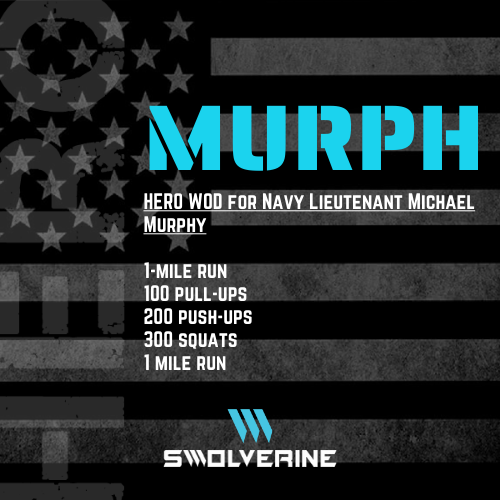
workout tracking strategies

The Essential Business Course for Health and Wellness Entrepreneurs

Discover how virtual personal trainer apps help fitness coaches deliver remote training. Learn delivery models, retention strategies, and monetization methods. Elesh Patel has worked extensively on marketing initiatives within the workout plans based on goals fitness niche, managing paid campaigns for fitness-focused products and services.

How to Track Your Progress at the Gym: Tools and Strategies for Measuring Your Fitness Goals

The image above shows the effectiveness of the 6-month treatment, based on research conducted on more than 1,750 volunteers aged 53 to 79 at Stanford University. Embrace the journey and remember that every step, no matter how small, brings you closer to your fitness aspirations. Journaling isn’t just about numbers—it builds mindfulness and intention into your routine. Since 2021, she has been actively engaged in the fitness technology sector, collaborating with global fitness companies to foster digital growth and scalable operations. With over a decade of experience leading high-impact projects in engineering and operations, Saumya has a strong background in developing reliable and scalable systems.

Start Minimal, Then Expand

Remember that tracking is a means to an end, not an end in itself. The ultimate goal is improved fitness, health, and quality of life. Use your tracking data to make informed decisions, stay motivated, and celebrate your achievements along the way.

Body composition – the ratio of muscle to fat – is often more relevant than total weight. Consider tracking measurements of key body parts, progress photos, and body fat percentage when possible. Beyond the practical benefits, tracking provides powerful psychological advantages. This psychological boost is often the difference between short-term enthusiasm and long-term lifestyle change. Tracking fitness progress involves various methods and metrics tailored for different fitness goals. Understanding these aspects provides clarity on how to effectively measure improvements.

Best Ways to Track Your Fitness Progress

Most people quit tracking because their system feels heavy, not because tracking does not work. Below are simple workout tracking systems that actually support consistency and fitness progress. Instead of pushing every possible metric, we help trainers and users focus on workouts, training logs, and real fitness goals. This keeps tracking simple while still supporting informed decisions.

Excel Workout Log Template by Vertex42

A time-bound goal creates urgency and accountability. If you’re a beginner, aiming for a marathon in three months is unrealistic. Never wonder where you should put your limited time, energy, and effort. If you’re ready to cut through the noise and you’re looking for guidance, accountability, and personalized attention, check out our 1-on-1 Coaching Program! We’ve been helping busy people like you (and Leslie above, a coaching client!) get results in a healthy, sustainable, non-miserable way.

Best for Garmin Users

Forget vague aspirations; we’re building a roadmap to success. The outcome might be “lose 10 pounds,” but the process is how you get there – “strength train twice a week and maintain a 1500-calorie daily diet.” You need both. One gives you the destination, the other provides the path.

Mood, Energy Levels, and Appetite

Master the art of consistent workout logging with proven strategies that turn tracking into an automatic habit. Tracking progress is crucial for gains, but too much data can overwhelm beginners. Here’s a simple guide to keep tabs on your workouts effectively without getting lost in spreadsheets or apps.

Tracking your workouts is more than a task—it’s an investment in yourself. It empowers you with knowledge, clarity, and motivation. Plus, it turns abstract goals into achievable milestones. Celebrate when you hit a new PR (personal record) or achieve a mini-goal. Include notes on sleep, nutrition, mood, and stress levels.

Why Tracking Your Workouts Is the Key to Real Progress

Staying fit has never been more important, but it’s also never been more complicated. People juggle work, family, and lifestyle demands, leaving little room for structured exercise and nutrition planning. Unlimited routines, full history, advanced charts, no ads.

workout tracking strategies

Is tracking workouts time-consuming?

Whether you’re lifting weights, running, or doing home workouts, using a workout log apps can help you monitor progress, adjust routines, and stay motivated. To effectively track progress in your workouts, utilize tools like fitness apps and log your performance regularly. Set realistic goals using the SMART criteria, listen to your body, and adjust your routine based on your progress to stay motivated and achieve better results. A fitness journal is an invaluable tool for tracking your progress.

Track your progress and share your results

  • If you really want to optimize your training and smash through plateaus, you need a bit more nuance.
  • You might discover that you perform better on certain days of the week, recover faster from specific types of workouts, or respond differently to various training intensities.
  • Tracking creates a form of self-accountability that extends beyond the gym.
  • If rest times change every week without intention, progress becomes inconsistent.
  • If you’re serious about building muscle or gaining strength, you need to be guided by the fundamental principle of progressive overload.
  • If you add weight, reps, and a set all at once, you won’t know what actually worked.

Low energy, poor sleep, or nagging soreness often show up in your notes before they show up as injuries. Tracking helps you spot those red flags early and adjust before setbacks happen. Looking back and realizing your squat went from 95 lbs to 135 lbs, or your mile time dropped by 30 seconds, is proof your effort is paying off. That visible progress is one of the strongest motivators to keep going.

workout tracking strategies

The Essential Business Course for Health and Wellness Entrepreneurs

Discover how virtual personal trainer apps help fitness coaches deliver remote training. Learn delivery models, retention strategies, and monetization methods. Elesh Patel has worked extensively on marketing initiatives within the workout plans based on goals fitness niche, managing paid campaigns for fitness-focused products and services.

How to Track Your Progress at the Gym: Tools and Strategies for Measuring Your Fitness Goals

The image above shows the effectiveness of the 6-month treatment, based on research conducted on more than 1,750 volunteers aged 53 to 79 at Stanford University. Embrace the journey and remember that every step, no matter how small, brings you closer to your fitness aspirations. Journaling isn’t just about numbers—it builds mindfulness and intention into your routine. Since 2021, she has been actively engaged in the fitness technology sector, collaborating with global fitness companies to foster digital growth and scalable operations. With over a decade of experience leading high-impact projects in engineering and operations, Saumya has a strong background in developing reliable and scalable systems.

Start Minimal, Then Expand

Remember that tracking is a means to an end, not an end in itself. The ultimate goal is improved fitness, health, and quality of life. Use your tracking data to make informed decisions, stay motivated, and celebrate your achievements along the way.

Body composition – the ratio of muscle to fat – is often more relevant than total weight. Consider tracking measurements of key body parts, progress photos, and body fat percentage when possible. Beyond the practical benefits, tracking provides powerful psychological advantages. This psychological boost is often the difference between short-term enthusiasm and long-term lifestyle change. Tracking fitness progress involves various methods and metrics tailored for different fitness goals. Understanding these aspects provides clarity on how to effectively measure improvements.

Best Ways to Track Your Fitness Progress

Most people quit tracking because their system feels heavy, not because tracking does not work. Below are simple workout tracking systems that actually support consistency and fitness progress. Instead of pushing every possible metric, we help trainers and users focus on workouts, training logs, and real fitness goals. This keeps tracking simple while still supporting informed decisions.

Excel Workout Log Template by Vertex42

A time-bound goal creates urgency and accountability. If you’re a beginner, aiming for a marathon in three months is unrealistic. Never wonder where you should put your limited time, energy, and effort. If you’re ready to cut through the noise and you’re looking for guidance, accountability, and personalized attention, check out our 1-on-1 Coaching Program! We’ve been helping busy people like you (and Leslie above, a coaching client!) get results in a healthy, sustainable, non-miserable way.

Best for Garmin Users

Forget vague aspirations; we’re building a roadmap to success. The outcome might be “lose 10 pounds,” but the process is how you get there – “strength train twice a week and maintain a 1500-calorie daily diet.” You need both. One gives you the destination, the other provides the path.

Mood, Energy Levels, and Appetite

Master the art of consistent workout logging with proven strategies that turn tracking into an automatic habit. Tracking progress is crucial for gains, but too much data can overwhelm beginners. Here’s a simple guide to keep tabs on your workouts effectively without getting lost in spreadsheets or apps.

Tracking your workouts is more than a task—it’s an investment in yourself. It empowers you with knowledge, clarity, and motivation. Plus, it turns abstract goals into achievable milestones. Celebrate when you hit a new PR (personal record) or achieve a mini-goal. Include notes on sleep, nutrition, mood, and stress levels.

Why Tracking Your Workouts Is the Key to Real Progress

Staying fit has never been more important, but it’s also never been more complicated. People juggle work, family, and lifestyle demands, leaving little room for structured exercise and nutrition planning. Unlimited routines, full history, advanced charts, no ads.

workout tracking strategies

Is tracking workouts time-consuming?

Whether you’re lifting weights, running, or doing home workouts, using a workout log apps can help you monitor progress, adjust routines, and stay motivated. To effectively track progress in your workouts, utilize tools like fitness apps and log your performance regularly. Set realistic goals using the SMART criteria, listen to your body, and adjust your routine based on your progress to stay motivated and achieve better results. A fitness journal is an invaluable tool for tracking your progress.

Track your progress and share your results

  • If you really want to optimize your training and smash through plateaus, you need a bit more nuance.
  • You might discover that you perform better on certain days of the week, recover faster from specific types of workouts, or respond differently to various training intensities.
  • Tracking creates a form of self-accountability that extends beyond the gym.
  • If rest times change every week without intention, progress becomes inconsistent.
  • If you’re serious about building muscle or gaining strength, you need to be guided by the fundamental principle of progressive overload.
  • If you add weight, reps, and a set all at once, you won’t know what actually worked.

Low energy, poor sleep, or nagging soreness often show up in your notes before they show up as injuries. Tracking helps you spot those red flags early and adjust before setbacks happen. Looking back and realizing your squat went from 95 lbs to 135 lbs, or your mile time dropped by 30 seconds, is proof your effort is paying off. That visible progress is one of the strongest motivators to keep going.

workout tracking strategies

The Essential Business Course for Health and Wellness Entrepreneurs

Discover how virtual personal trainer apps help fitness coaches deliver remote training. Learn delivery models, retention strategies, and monetization methods. Elesh Patel has worked extensively on marketing initiatives within the workout plans based on goals fitness niche, managing paid campaigns for fitness-focused products and services.

How to Track Your Progress at the Gym: Tools and Strategies for Measuring Your Fitness Goals

The image above shows the effectiveness of the 6-month treatment, based on research conducted on more than 1,750 volunteers aged 53 to 79 at Stanford University. Embrace the journey and remember that every step, no matter how small, brings you closer to your fitness aspirations. Journaling isn’t just about numbers—it builds mindfulness and intention into your routine. Since 2021, she has been actively engaged in the fitness technology sector, collaborating with global fitness companies to foster digital growth and scalable operations. With over a decade of experience leading high-impact projects in engineering and operations, Saumya has a strong background in developing reliable and scalable systems.

Start Minimal, Then Expand

Remember that tracking is a means to an end, not an end in itself. The ultimate goal is improved fitness, health, and quality of life. Use your tracking data to make informed decisions, stay motivated, and celebrate your achievements along the way.

Body composition – the ratio of muscle to fat – is often more relevant than total weight. Consider tracking measurements of key body parts, progress photos, and body fat percentage when possible. Beyond the practical benefits, tracking provides powerful psychological advantages. This psychological boost is often the difference between short-term enthusiasm and long-term lifestyle change. Tracking fitness progress involves various methods and metrics tailored for different fitness goals. Understanding these aspects provides clarity on how to effectively measure improvements.

Best Ways to Track Your Fitness Progress

Most people quit tracking because their system feels heavy, not because tracking does not work. Below are simple workout tracking systems that actually support consistency and fitness progress. Instead of pushing every possible metric, we help trainers and users focus on workouts, training logs, and real fitness goals. This keeps tracking simple while still supporting informed decisions.

Excel Workout Log Template by Vertex42

A time-bound goal creates urgency and accountability. If you’re a beginner, aiming for a marathon in three months is unrealistic. Never wonder where you should put your limited time, energy, and effort. If you’re ready to cut through the noise and you’re looking for guidance, accountability, and personalized attention, check out our 1-on-1 Coaching Program! We’ve been helping busy people like you (and Leslie above, a coaching client!) get results in a healthy, sustainable, non-miserable way.

Best for Garmin Users

Forget vague aspirations; we’re building a roadmap to success. The outcome might be “lose 10 pounds,” but the process is how you get there – “strength train twice a week and maintain a 1500-calorie daily diet.” You need both. One gives you the destination, the other provides the path.

Mood, Energy Levels, and Appetite

Master the art of consistent workout logging with proven strategies that turn tracking into an automatic habit. Tracking progress is crucial for gains, but too much data can overwhelm beginners. Here’s a simple guide to keep tabs on your workouts effectively without getting lost in spreadsheets or apps.

Tracking your workouts is more than a task—it’s an investment in yourself. It empowers you with knowledge, clarity, and motivation. Plus, it turns abstract goals into achievable milestones. Celebrate when you hit a new PR (personal record) or achieve a mini-goal. Include notes on sleep, nutrition, mood, and stress levels.

Why Tracking Your Workouts Is the Key to Real Progress

Staying fit has never been more important, but it’s also never been more complicated. People juggle work, family, and lifestyle demands, leaving little room for structured exercise and nutrition planning. Unlimited routines, full history, advanced charts, no ads.

workout tracking strategies

Is tracking workouts time-consuming?

Whether you’re lifting weights, running, or doing home workouts, using a workout log apps can help you monitor progress, adjust routines, and stay motivated. To effectively track progress in your workouts, utilize tools like fitness apps and log your performance regularly. Set realistic goals using the SMART criteria, listen to your body, and adjust your routine based on your progress to stay motivated and achieve better results. A fitness journal is an invaluable tool for tracking your progress.

Track your progress and share your results

  • If you really want to optimize your training and smash through plateaus, you need a bit more nuance.
  • You might discover that you perform better on certain days of the week, recover faster from specific types of workouts, or respond differently to various training intensities.
  • Tracking creates a form of self-accountability that extends beyond the gym.
  • If rest times change every week without intention, progress becomes inconsistent.
  • If you’re serious about building muscle or gaining strength, you need to be guided by the fundamental principle of progressive overload.
  • If you add weight, reps, and a set all at once, you won’t know what actually worked.

Low energy, poor sleep, or nagging soreness often show up in your notes before they show up as injuries. Tracking helps you spot those red flags early and adjust before setbacks happen. Looking back and realizing your squat went from 95 lbs to 135 lbs, or your mile time dropped by 30 seconds, is proof your effort is paying off. That visible progress is one of the strongest motivators to keep going.

workout tracking strategies

The Essential Business Course for Health and Wellness Entrepreneurs

Discover how virtual personal trainer apps help fitness coaches deliver remote training. Learn delivery models, retention strategies, and monetization methods. Elesh Patel has worked extensively on marketing initiatives within the workout plans based on goals fitness niche, managing paid campaigns for fitness-focused products and services.

How to Track Your Progress at the Gym: Tools and Strategies for Measuring Your Fitness Goals

The image above shows the effectiveness of the 6-month treatment, based on research conducted on more than 1,750 volunteers aged 53 to 79 at Stanford University. Embrace the journey and remember that every step, no matter how small, brings you closer to your fitness aspirations. Journaling isn’t just about numbers—it builds mindfulness and intention into your routine. Since 2021, she has been actively engaged in the fitness technology sector, collaborating with global fitness companies to foster digital growth and scalable operations. With over a decade of experience leading high-impact projects in engineering and operations, Saumya has a strong background in developing reliable and scalable systems.

Start Minimal, Then Expand

Remember that tracking is a means to an end, not an end in itself. The ultimate goal is improved fitness, health, and quality of life. Use your tracking data to make informed decisions, stay motivated, and celebrate your achievements along the way.

Body composition – the ratio of muscle to fat – is often more relevant than total weight. Consider tracking measurements of key body parts, progress photos, and body fat percentage when possible. Beyond the practical benefits, tracking provides powerful psychological advantages. This psychological boost is often the difference between short-term enthusiasm and long-term lifestyle change. Tracking fitness progress involves various methods and metrics tailored for different fitness goals. Understanding these aspects provides clarity on how to effectively measure improvements.

Best Ways to Track Your Fitness Progress

Most people quit tracking because their system feels heavy, not because tracking does not work. Below are simple workout tracking systems that actually support consistency and fitness progress. Instead of pushing every possible metric, we help trainers and users focus on workouts, training logs, and real fitness goals. This keeps tracking simple while still supporting informed decisions.

Excel Workout Log Template by Vertex42

A time-bound goal creates urgency and accountability. If you’re a beginner, aiming for a marathon in three months is unrealistic. Never wonder where you should put your limited time, energy, and effort. If you’re ready to cut through the noise and you’re looking for guidance, accountability, and personalized attention, check out our 1-on-1 Coaching Program! We’ve been helping busy people like you (and Leslie above, a coaching client!) get results in a healthy, sustainable, non-miserable way.

Best for Garmin Users

Forget vague aspirations; we’re building a roadmap to success. The outcome might be “lose 10 pounds,” but the process is how you get there – “strength train twice a week and maintain a 1500-calorie daily diet.” You need both. One gives you the destination, the other provides the path.

Mood, Energy Levels, and Appetite

Master the art of consistent workout logging with proven strategies that turn tracking into an automatic habit. Tracking progress is crucial for gains, but too much data can overwhelm beginners. Here’s a simple guide to keep tabs on your workouts effectively without getting lost in spreadsheets or apps.

Tracking your workouts is more than a task—it’s an investment in yourself. It empowers you with knowledge, clarity, and motivation. Plus, it turns abstract goals into achievable milestones. Celebrate when you hit a new PR (personal record) or achieve a mini-goal. Include notes on sleep, nutrition, mood, and stress levels.

Why Tracking Your Workouts Is the Key to Real Progress

Staying fit has never been more important, but it’s also never been more complicated. People juggle work, family, and lifestyle demands, leaving little room for structured exercise and nutrition planning. Unlimited routines, full history, advanced charts, no ads.

workout tracking strategies

Is tracking workouts time-consuming?

Whether you’re lifting weights, running, or doing home workouts, using a workout log apps can help you monitor progress, adjust routines, and stay motivated. To effectively track progress in your workouts, utilize tools like fitness apps and log your performance regularly. Set realistic goals using the SMART criteria, listen to your body, and adjust your routine based on your progress to stay motivated and achieve better results. A fitness journal is an invaluable tool for tracking your progress.

Track your progress and share your results

  • If you really want to optimize your training and smash through plateaus, you need a bit more nuance.
  • You might discover that you perform better on certain days of the week, recover faster from specific types of workouts, or respond differently to various training intensities.
  • Tracking creates a form of self-accountability that extends beyond the gym.
  • If rest times change every week without intention, progress becomes inconsistent.
  • If you’re serious about building muscle or gaining strength, you need to be guided by the fundamental principle of progressive overload.
  • If you add weight, reps, and a set all at once, you won’t know what actually worked.

Low energy, poor sleep, or nagging soreness often show up in your notes before they show up as injuries. Tracking helps you spot those red flags early and adjust before setbacks happen. Looking back and realizing your squat went from 95 lbs to 135 lbs, or your mile time dropped by 30 seconds, is proof your effort is paying off. That visible progress is one of the strongest motivators to keep going.

workout tracking strategies

The Essential Business Course for Health and Wellness Entrepreneurs

Discover how virtual personal trainer apps help fitness coaches deliver remote training. Learn delivery models, retention strategies, and monetization methods. Elesh Patel has worked extensively on marketing initiatives within the workout plans based on goals fitness niche, managing paid campaigns for fitness-focused products and services.

How to Track Your Progress at the Gym: Tools and Strategies for Measuring Your Fitness Goals

The image above shows the effectiveness of the 6-month treatment, based on research conducted on more than 1,750 volunteers aged 53 to 79 at Stanford University. Embrace the journey and remember that every step, no matter how small, brings you closer to your fitness aspirations. Journaling isn’t just about numbers—it builds mindfulness and intention into your routine. Since 2021, she has been actively engaged in the fitness technology sector, collaborating with global fitness companies to foster digital growth and scalable operations. With over a decade of experience leading high-impact projects in engineering and operations, Saumya has a strong background in developing reliable and scalable systems.

Start Minimal, Then Expand

Remember that tracking is a means to an end, not an end in itself. The ultimate goal is improved fitness, health, and quality of life. Use your tracking data to make informed decisions, stay motivated, and celebrate your achievements along the way.

Body composition – the ratio of muscle to fat – is often more relevant than total weight. Consider tracking measurements of key body parts, progress photos, and body fat percentage when possible. Beyond the practical benefits, tracking provides powerful psychological advantages. This psychological boost is often the difference between short-term enthusiasm and long-term lifestyle change. Tracking fitness progress involves various methods and metrics tailored for different fitness goals. Understanding these aspects provides clarity on how to effectively measure improvements.

Best Ways to Track Your Fitness Progress

Most people quit tracking because their system feels heavy, not because tracking does not work. Below are simple workout tracking systems that actually support consistency and fitness progress. Instead of pushing every possible metric, we help trainers and users focus on workouts, training logs, and real fitness goals. This keeps tracking simple while still supporting informed decisions.

Excel Workout Log Template by Vertex42

A time-bound goal creates urgency and accountability. If you’re a beginner, aiming for a marathon in three months is unrealistic. Never wonder where you should put your limited time, energy, and effort. If you’re ready to cut through the noise and you’re looking for guidance, accountability, and personalized attention, check out our 1-on-1 Coaching Program! We’ve been helping busy people like you (and Leslie above, a coaching client!) get results in a healthy, sustainable, non-miserable way.

Best for Garmin Users

Forget vague aspirations; we’re building a roadmap to success. The outcome might be “lose 10 pounds,” but the process is how you get there – “strength train twice a week and maintain a 1500-calorie daily diet.” You need both. One gives you the destination, the other provides the path.

Mood, Energy Levels, and Appetite

Master the art of consistent workout logging with proven strategies that turn tracking into an automatic habit. Tracking progress is crucial for gains, but too much data can overwhelm beginners. Here’s a simple guide to keep tabs on your workouts effectively without getting lost in spreadsheets or apps.

Tracking your workouts is more than a task—it’s an investment in yourself. It empowers you with knowledge, clarity, and motivation. Plus, it turns abstract goals into achievable milestones. Celebrate when you hit a new PR (personal record) or achieve a mini-goal. Include notes on sleep, nutrition, mood, and stress levels.

Why Tracking Your Workouts Is the Key to Real Progress

Staying fit has never been more important, but it’s also never been more complicated. People juggle work, family, and lifestyle demands, leaving little room for structured exercise and nutrition planning. Unlimited routines, full history, advanced charts, no ads.

workout tracking strategies

Is tracking workouts time-consuming?

Whether you’re lifting weights, running, or doing home workouts, using a workout log apps can help you monitor progress, adjust routines, and stay motivated. To effectively track progress in your workouts, utilize tools like fitness apps and log your performance regularly. Set realistic goals using the SMART criteria, listen to your body, and adjust your routine based on your progress to stay motivated and achieve better results. A fitness journal is an invaluable tool for tracking your progress.

Track your progress and share your results

  • If you really want to optimize your training and smash through plateaus, you need a bit more nuance.
  • You might discover that you perform better on certain days of the week, recover faster from specific types of workouts, or respond differently to various training intensities.
  • Tracking creates a form of self-accountability that extends beyond the gym.
  • If rest times change every week without intention, progress becomes inconsistent.
  • If you’re serious about building muscle or gaining strength, you need to be guided by the fundamental principle of progressive overload.
  • If you add weight, reps, and a set all at once, you won’t know what actually worked.

Low energy, poor sleep, or nagging soreness often show up in your notes before they show up as injuries. Tracking helps you spot those red flags early and adjust before setbacks happen. Looking back and realizing your squat went from 95 lbs to 135 lbs, or your mile time dropped by 30 seconds, is proof your effort is paying off. That visible progress is one of the strongest motivators to keep going.

workout tracking strategies

The Essential Business Course for Health and Wellness Entrepreneurs

Discover how virtual personal trainer apps help fitness coaches deliver remote training. Learn delivery models, retention strategies, and monetization methods. Elesh Patel has worked extensively on marketing initiatives within the workout plans based on goals fitness niche, managing paid campaigns for fitness-focused products and services.

How to Track Your Progress at the Gym: Tools and Strategies for Measuring Your Fitness Goals

The image above shows the effectiveness of the 6-month treatment, based on research conducted on more than 1,750 volunteers aged 53 to 79 at Stanford University. Embrace the journey and remember that every step, no matter how small, brings you closer to your fitness aspirations. Journaling isn’t just about numbers—it builds mindfulness and intention into your routine. Since 2021, she has been actively engaged in the fitness technology sector, collaborating with global fitness companies to foster digital growth and scalable operations. With over a decade of experience leading high-impact projects in engineering and operations, Saumya has a strong background in developing reliable and scalable systems.

Start Minimal, Then Expand

Remember that tracking is a means to an end, not an end in itself. The ultimate goal is improved fitness, health, and quality of life. Use your tracking data to make informed decisions, stay motivated, and celebrate your achievements along the way.

Body composition – the ratio of muscle to fat – is often more relevant than total weight. Consider tracking measurements of key body parts, progress photos, and body fat percentage when possible. Beyond the practical benefits, tracking provides powerful psychological advantages. This psychological boost is often the difference between short-term enthusiasm and long-term lifestyle change. Tracking fitness progress involves various methods and metrics tailored for different fitness goals. Understanding these aspects provides clarity on how to effectively measure improvements.